By: RootSource Media Staff,
As more people rethink what they eat, the movement toward simple, nutrient-dense, and regenerative foods is gaining momentum. Across Paleo, Keto, and Vegan communities, the common thread is clear: cut the processed products, avoid the seed oils, and return to clean, whole ingredients that fuel both body and planet.
Hemp as a Nutritional Powerhouse
Few foods illustrate this shift better than hemp. Hemp seeds are rich in protein, omega-3 and omega-6 fatty acids, magnesium, and iron. Unlike many plant-based sources, hemp protein is a complete protein, containing all nine essential amino acids. Whether sprinkled on salads, blended into smoothies, or pressed into oil, hemp is a versatile, sustainable food with roots in regenerative agriculture.
Hemp protein powder, minimally processed and allergen-friendly, is becoming a staple for athletes, Keto enthusiasts, and Vegans alike. It digests easily and pairs well with other whole food ingredients such as cacao, coconut, or oats. For Paleo diets, hemp aligns with the focus on nutrient density without the need for grain-based fillers.
Beyond Hemp: Other Clean Food Allies
The resurgence of hemp fits into a broader trend of choosing whole foods that sidestep the pitfalls of modern industrial processing. Among the standouts:
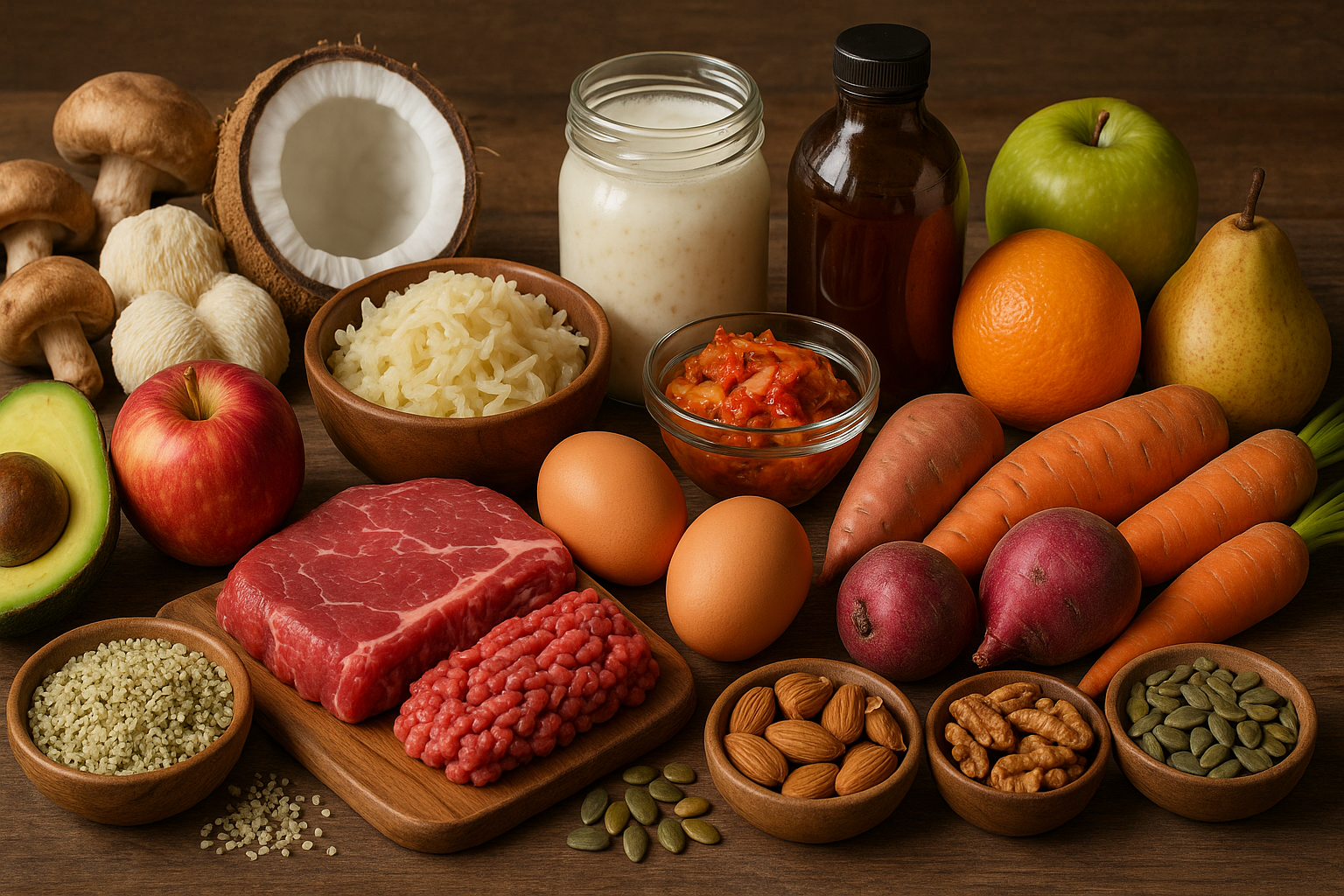
- Coconut and MCT Oils: Clean fats that provide steady energy, popular in both Keto and Paleo lifestyles.
- Pasture-Raised Eggs and Grass-Fed Meats: High-quality proteins that deliver essential nutrients without the hormones and additives found in industrial livestock.
- Fermented Foods: Sauerkraut, kimchi, kefir, and kombucha that naturally support gut health and digestion.
- Root Vegetables and Tubers: Sweet potatoes, beets, carrots, and taro that offer complex carbohydrates, fiber, and phytonutrients without heavy processing.
- Nuts and Seeds: Almonds, walnuts, chia, flax, and pumpkin seeds that bring plant-based proteins and healthy fats to the table.
- Mushroom-Based Products: Functional mushrooms like lion’s mane, reishi, and chaga that support immunity and mental clarity.
Why Organic and Regenerative Matters
It is not just what we eat, but how it is grown. Organic standards eliminate synthetic pesticides and herbicides, while regenerative farming goes a step further by rebuilding soil health, enhancing biodiversity, and capturing carbon. Foods grown in these systems are not only healthier for consumers, they strengthen ecosystems and farming communities. Hemp in particular is celebrated for its ability to grow with minimal inputs while revitalizing soils, making it a natural partner for regenerative agriculture.
Cutting Out the Noise
Central to the shift toward clean eating is the rejection of highly processed foods, genetically modified organisms, and industrial seed oils like soybean, canola, and corn oil. These ingredients dominate packaged goods but are increasingly associated with inflammation, imbalance, and long-term health risks. Instead, more people are reaching for extra-virgin olive oil, avocado oil, or coconut oil as nutrient-rich alternatives that support metabolic health.
The Foundation of a Healthy Lifestyle
Whether Paleo, Keto, Vegan, or simply mindful of what goes on the plate, the movement is about more than diets. It is about building a sustainable relationship with food—choosing items that nourish, energize, and align with natural systems. By prioritizing hemp seeds, clean proteins, organic produce, and regenerative staples, people are not only investing in their own health, they are helping create a food system that values integrity from soil to soul.
